

You can investigate several affordable storm damage repair options to restore your home effectively. Start by evaluating the types of damage, like roofing issues or water intrusion, and prioritize urgent repairs. Gathering multiple contractor quotes can help you find competitive prices, so don't hesitate to discuss estimates for better deals. For minor issues, consider DIY repairs using crucial tools. Additionally, look for local contractors and leverage their community knowledge, often leading to quicker service. Understanding your insurance policy can save you money by ensuring you're covered for necessary repairs. There's plenty more to uncover about maximizing your repair budget effectively.
Key Takeaways
- Get Multiple Quotes: Collect various contractor estimates to compare prices and find affordable options for storm damage repairs.
- Consider DIY Repairs: Utilize essential tools and safety precautions for minor repairs to save on labor costs and manage expenses effectively.
- Research Local Contractors: Look for reputable local repair services that offer competitive pricing and quick response times for storm damage.
- Check Insurance Coverage: Review your insurance policy to understand coverage limits and exclusions, maximizing financial support for repairs.
- Ask for Community Recommendations: Seek referrals from neighbors to find affordable and trustworthy contractors who have successfully completed similar repairs.
Understanding Storm Damage Types
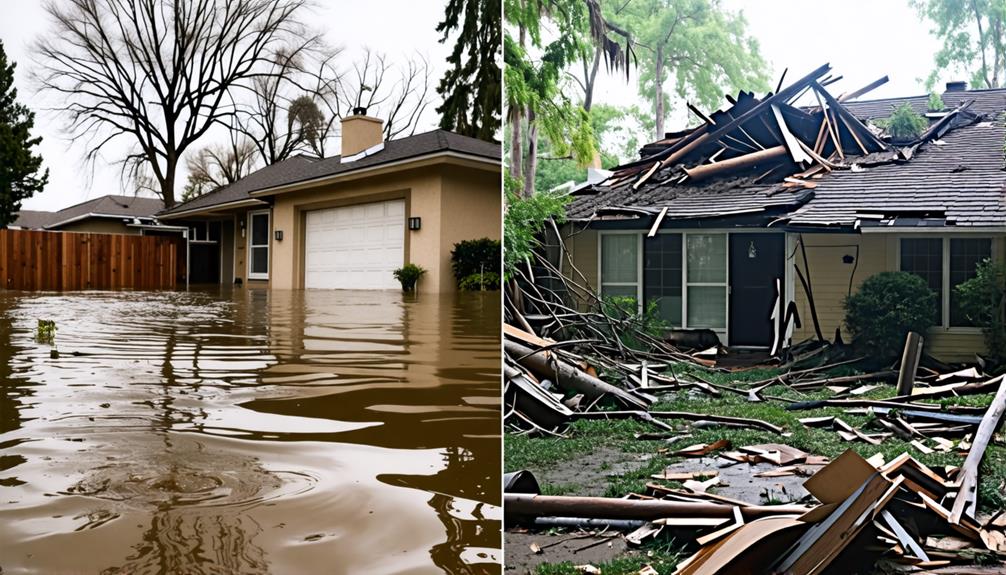
When a storm hits, it can cause various types of damage that affect your home and property. Understanding these storm impacts is imperative for effective damage evaluation. You might encounter roof damage from strong winds, which can lead to leaks and water intrusion. Keep an eye out for missing shingles or visible tears in roof materials.
Flooding is another common issue, often resulting from heavy rains or storm surges. This can damage your foundation, walls, and even your electrical systems. Evaluating the extent of water damage is crucial to prevent mold growth and further deterioration.
Additionally, fallen trees or branches can pose a significant threat, crushing roofs or damaging vehicles. It's important to document any such incidents promptly to aid in your insurance claims.
Lastly, don't overlook interior damages like broken windows or water-stained walls, which can compromise your home's safety and comfort. By recognizing the various types of damage caused by storms, you empower yourself to act quickly and guarantee your home is safe and sound. Always prioritize a thorough damage evaluation to help guide your next steps in recovery.
Assessing Repair Costs
When you're facing storm damage, understanding repair costs is essential for making knowledgeable choices. Start by getting clear estimates from contractors, comparing their quotes to find the best option. Don't forget to factor in your insurance coverage, as it can greatly impact your out-of-pocket expenses.
Understanding Repair Estimates
After a storm, understanding repair estimates is crucial for managing your budget effectively. You want to make certain you're not only getting quality work but likewise staying within your financial limits. Start by requesting a detailed repair estimate breakdown from contractors. This should outline the costs for labor, materials, and any additional fees. A clear breakdown helps you see where your money's going and guarantees you won't be blindsided by hidden charges.
Be mindful of common estimation mistakes. One frequent error is not accounting for all potential damages. Confirm the contractor inspects your property thoroughly to avoid underestimating the repair costs. Another mistake is focusing solely on the lowest price. Remember, the cheapest option isn't always the best—quality should never be compromised for savings.
Lastly, don't hesitate to ask questions about the estimates you receive. Understanding the rationale behind each cost can empower you to make knowledgeable choices. By taking these steps, you can confidently navigate the repair process, confirming you get the best value while helping restore your home to its former glory.
Comparing Contractor Quotes
You might find that comparing contractor quotes is one of the most effective steps in managing your storm damage repair costs. Start by gathering quotes from multiple contractors. This gives you a clearer picture of what the market offers and helps you identify any outliers. While price is crucial, don't overlook the importance of contractor reputation. Research reviews and ask for references to guarantee you're choosing a reliable professional.
When you receive the quotes, take the time to break down each estimate. Look for details on labor, materials, and timelines. This transparency will help you understand where your money is going and make educated choices. If you notice significant discrepancies, don't hesitate to employ some negotiation tactics. Politely discuss your findings with contractors and ask for explanations. They may be willing to adjust their quotes based on your feedback or provide alternative solutions to fit your budget.
Insurance Coverage Considerations
Understanding your insurance coverage is essential when evaluating repair costs after storm damage. Start by reviewing your policy limits; this tells you the maximum amount your insurer will pay for repairs. If your costs exceed these limits, you'll need to cover the difference out of pocket, which can be a significant financial burden.
Next, pay attention to coverage exclusions. Some policies may not cover certain types of damage, like flooding or windstorms, unless you've added specific riders. Knowing what's excluded helps you avoid surprises when it's time to file a claim.
It's also prudent to document all storm damage thoroughly. Take photos and keep receipts for any temporary repairs. This information can help you present a strong case when you file your claim.
Lastly, don't hesitate to contact your insurance agent for clarification on any terms you don't understand. They can guide you through the claims process and help you maximize your benefits. By grasping your coverage, you can confidently tackle repair costs and guarantee your home is restored to its former glory, allowing you to serve your family and community better.
DIY Repair Techniques

When storm damage strikes, you can save money by tackling repairs yourself with the right tools and a clear plan. You'll need some crucial tools to get started, and having a step-by-step guide will make the process smoother. Let's investigate what you'll need and how to effectively handle those repairs.
Essential Tools Required
Having the right tools can make all the difference in successfully tackling storm damage repairs on your own. Start by assembling a thorough repair toolkit. This should include a reliable hammer, screwdrivers of various sizes, a utility knife, and a tape measure. These basics will help you with a variety of tasks, from securing loose shingles to replacing damaged siding.
Don't forget about safety equipment; it's vital for any DIY project. Equip yourself with gloves, safety goggles, and a sturdy hard hat to protect against falling debris. If you're working at height, consider a reliable ladder and a harness. Safety should always be your priority.
For specific repairs, you might need additional tools like a caulking gun for sealing gaps or a pry bar for removing damaged materials. Having these key items on hand not only speeds up your work but also guarantees you're prepared for unexpected challenges.
Lastly, consider renting larger equipment, like a pressure washer or a generator, if needed. This approach keeps costs down while still allowing you to complete your repairs effectively. With the right tools, you're well on your way to restoring your home.
Step-by-Step Repair Guide
Often, tackling storm damage repairs can feel overwhelming, but breaking the process down into manageable steps makes it much easier. Start by evaluating the damage. Walk around your property and take notes or photos of affected areas. This will help you prioritize repairs.
Next, gather your crucial tools and materials. Depending on the damage, you might need tarps, plywood, nails, or caulk. Having everything ready before you start guarantees a smoother process. Remember to implement storm preparedness tips, like wearing protective gear while working.
Once you've prepared, focus on immediate repairs. If you have leaks, cover them with tarps to prevent water damage. For broken windows, use plywood to secure openings until you can replace them.
After addressing urgent issues, plan for longer-term repairs. This might include roof patching or siding replacement.
Lastly, document your repairs for future reference or insurance claims. By using emergency response strategies, you can effectively manage the repair process and even help neighbors who might be struggling. With patience and diligence, you'll restore your home while encouraging community support.
Choosing Local Repair Services
Choosing local repair services for storm damage can significantly impact the quality and cost-effectiveness of the repairs. When you opt for local contractors, you're not just supporting your community; you're furthermore tapping into valuable local contractor recommendations. These recommendations often lead to trustworthy, skilled professionals who understand the unique challenges your area faces.
Start by reaching out to neighbors who have recently dealt with similar repairs. Their firsthand experiences can guide you toward reputable contractors. Moreover, investigate community repair resources; local organizations often compile lists of vetted services, making your search easier.
Another advantage of hiring locally is the potential for quicker response times. Local contractors are often more accessible and can begin repairs sooner, which is vital after storm damage. They're also likely to be familiar with local building codes and regulations, ensuring your repairs comply with legal standards.
Ultimately, choosing local repair services not only benefits you but strengthens your community. By investing in local businesses, you help create a resilient network that can support each other in times of need. So, take the time to research and connect with local experts for effective storm damage repairs.
Insurance Coverage Insights

Finding reliable local repair services is just the first step in addressing storm damage; understanding your insurance coverage is just as important. Your insurance policy can greatly impact your ability to recover costs. Familiarize yourself with your policy limits and the claim process to guarantee a smooth recovery.
Here's a simple overview to help you navigate your insurance options:
| Coverage Type | Description | Tips |
|---|---|---|
| Dwelling Coverage | Covers structural damage | Check if your policy limits are adequate for repairs. |
| Personal Property | Covers damaged belongings | Make a list of damaged items for your claim. |
| Additional Living | Covers temporary living costs | Keep receipts for lodging expenses when displaced. |
Preventive Measures for Future Storms
Your home's safety during storms starts with proactive measures that can greatly reduce potential damage. Implementing effective storm proofing strategies is crucial. Begin by examining your roof; make sure it's in good condition and consider using weather resistant materials like impact-resistant shingles. These can withstand high winds and hail, protecting your home from leaks and structural issues.
Next, inspect your windows and doors. Installing storm shutters or using reinforced glass can prevent shattering and water intrusion. Don't forget about your garage door; it's often a weak point. Consider upgrading to a stronger, wind-resistant model.
Landscaping is another significant area to address. Trim trees and shrubs away from your home to minimize the risk of falling branches. Furthermore, consider installing gutters and downspouts that direct water away from your foundation, reducing the chances of flooding.
0 Comments