

Avoiding common mistakes in water damage repair can save you time and money. Don't overlook the initial damage assessment – swift action here could minimize the extent and impact of damage. Remember to prioritize safety and never neglect potential electrical hazards and safety gear usage. Delays in assessment and neglecting hidden damage like mold growth can escalate costs. Finally, remember; often, professional help is worth the cost to avoid the risks linked with DIY repair attempts. Further exploration into this topic can reveal proactive steps for future damage prevention along with the importance of mold removal techniques.
Understanding Water Damage Basics

Before diving into the common mistakes people make when dealing with water damage, it's crucial that you grasp the basic principles of water damage and its potential impacts on your property. You need to comprehend how damage sources such as flooding, pipe leaks, or roof deficiencies can lead to water invasion, possibly causing structural decay, mold growth, and even electrical hazards.
Understanding the sources of damage not only helps you safeguard your property but also prepares you for insurance considerations. Most homeowners' insurance policies cover sudden or accidental water damage, but not damage resulting from lack of maintenance or neglect. Flood damage, surprisingly, often requires a separate policy. It's important that you review your insurance coverage regularly to make sure you're adequately protected.
Engaging with these fundamental aspects of water damage will empower you to take precise action when necessary, reducing the likelihood of disastrous consequences for your property. It's like being part of a community that's informed, prepared, and resilient against water damage threats. After all, understanding the basics is the first step towards avoiding common mistakes in dealing with water damage.
Quick Actions After Water Damage
When water damage strikes, your immediate actions can have a significant impact on the extent and cost of needed repairs. It's essential first to accurately assess the initial damage, understanding the severity and type of water intrusion you're dealing with. Then, you'll need to take immediate mitigation steps to prevent further damage, including proper water extraction and drying techniques.
Initial Damage Assessment
Right after experiencing water damage, it's crucial that you assess the extent of the damage as swiftly and accurately as possible to prevent further deterioration. This initial damage assessment is a critical step that can deeply impact your insurance claims, so it's not something to be overlooked.
Begin by classifying the damage. Categorizing the damage by its source and severity helps both you and your insurance company understand the scope of the situation. Consider whether the water damage is from a clean source like a faucet, or whether it's contaminated, like sewage backup. Additionally, note the size and extent of the affected area.
Once you've classified the damage, document everything. Take pictures and notes detailing the damage. This information will be invaluable when dealing with insurance claims. Remember, details matter. Don't gloss over small signs of damage – they may indicate larger hidden issues.
In this stressful time, remember you're not alone. Your insurance agent, repair professionals, and even online communities are there for support. By conducting a thorough initial damage assessment, you're taking an important first step in the water damage repair process, helping to avoid common mistakes and unnecessary headaches down the line.
Immediate Mitigation Steps
Having conducted a thorough initial damage assessment, your next move should be to take immediate mitigation steps to prevent the water damage from escalating. This is where emergency preparedness comes into play.
Start by removing as much water as possible using wet vacuums or pumps. This might seem like an overwhelming task, but every bit of water you can get rid of now reduces the potential for further damage.
Next, shift your focus to drying and dehumidification. It's essential to thoroughly dry all affected areas to prevent mold and mildew, which can cause even more damage and health risks. Commercial-grade dehumidifiers are particularly effective for this purpose.
While you're doing this, don't forget to document everything. Take pictures and record all the damage for your insurance claims. This is a critical part of the process, as it will provide evidence of the extent of the damage and help guarantee your claim is handled smoothly.
Lastly, protect your unaffected belongings. Move them to a safe place to avoid secondary water damage.
Taking these immediate mitigation steps will not only limit the damage but also give you a sense of control in a difficult situation. It's about being proactive rather than reactive. Be part of our community that's committed to taking action, not just dealing with the aftermath.
Mistake: Not Prioritizing Safety

One common mistake you might overlook during water damage repair is not prioritizing safety. It's paramount to always wear appropriate safety gear and understand the potential hazards, particularly electrical ones. Ignoring these precautions could lead to serious injury, compounding the issues you're already facing with the water damage.
Importance of Safety Gear
Why overlook the significance of safety gear when dealing with water damage repair, a potentially hazardous task? You shouldn't. In fact, it's a mistake not to prioritize safety. Your gear plays a critical role as your first line of defense, providing a safeguard between you and potential dangers.
Gear maintenance is essential, and shouldn't be neglected. Regular checks guarantee your equipment is in top working condition. This isn't just about prolonging the life of your gear, but also about preserving your well-being. Damaged or poorly-maintained equipment can compromise your safety during water damage repairs.
In addition to gear maintenance, safety training is equally essential. Training equips you with the necessary skills to handle your gear correctly and respond effectively to emergencies. It's not just about wearing the gear; it's about knowing how to use it properly.
Identifying Electrical Hazards
In the domain of water damage repair, your safety gear isn't the only line of defense; you must be vigilant in identifying and avoiding electrical hazards. Many overlook this aspect, thereby risking their safety and others around them. Proper electrical equipment safety is paramount to preventing accidents during water damage repairs.
Firstly, power source evaluation is a critical step. You should always disconnect the power source before starting any repair work. This precautionary measure can save you from potential electrical shocks or worse. If you're unsure about how to do it, calling a professional is always a smart choice.
Secondly, don't assume that just because an appliance is off, it's safe. Wet electrical appliances can be extremely dangerous, even when turned off. Always treat all electrical devices as if they're live and dangerous. Inspect them carefully for any signs of damage, and don't use them until they've been checked by a professional.
Lastly, pay attention to the wiring. Wet or damaged wires are not to be handled lightly. If you notice any frayed wires or hear buzzing sounds, stop what you're doing. It's time to call an electrician. By prioritizing safety, you become part of the solution, not the problem.
Mistake: Delaying Damage Assessment
Delaying a thorough assessment of water damage can greatly escalate the severity of the problem and the costs associated with its repair. In the realm of water damage repair, time is money. In fact, a speedy assessment can both minimize damage and decrease overall costs.
You might be tempted to handle the issue yourself, but this DIY approach often comes with serious risks. Without professional experience, you can easily overlook hidden damage, leading to further structural issues and mold growth. Moreover, insurance complications can arise if the damage isn't properly documented soon after the incident.
To better understand, let's examine this in a simple table:
| Delayed Assessment | Consequences | Possible Solutions |
|---|---|---|
| DIY Risks | Overlooked damage, increased costs | Hire professionals |
| Insurance Complications | Denied claims, out-of-pocket costs | Document damage immediately |
| Escalated Damage | Structural issues, mold growth | Immediate assessment |
The Importance of Professional Help
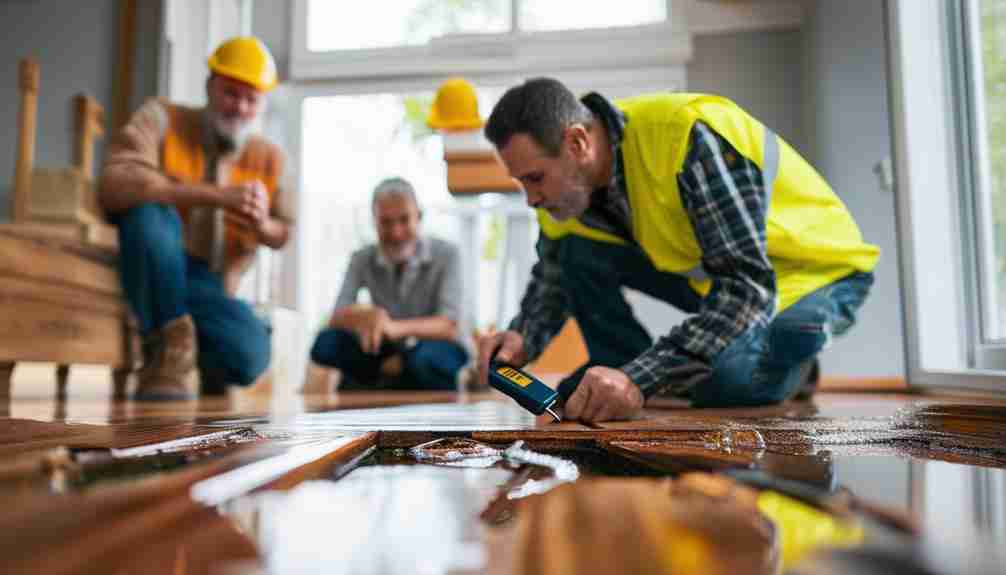
Hiring the assistance of a professional water damage repair company can greatly reduce the risks associated with DIY repair attempts, ensuring a thorough, effective, and timely restoration. You'll benefit from their expertise and familiarity with the complexity and unpredictability of water damage. They navigate these waters daily, advocating for you during insurance considerations, and making the whole repair process less challenging.
Professionals have access to advanced equipment selection and the knowledge to use them effectively. They can accurately assess the extent of damage and apply the best restoration techniques. Your own efforts might fall short because of a lack of proper tools or techniques, potentially leading to more extensive damage in the long run.
Being part of a community means relying on one another. Trusting professionals isn't about admitting defeat, it's about understanding your limitations and using resources wisely. Remember, water damage isn't just about property; it's about your safety and peace of mind. Let professionals do their job while you focus on moving forward. You're not alone on this journey, and the right professional help can make the process smoother and more manageable.
Mistake: Ignoring Hidden Damage
One common mistake you might make when dealing with water damage is overlooking hidden damage that isn't immediately apparent. It's easy to focus on the visible water stains and peeling paint, but underlying structural issues can be far more serious. The water that has seeped into your walls and flooring can cause rot, mold growth, and even structural instability.
Remember, it's not just about aesthetic appeal. It's about the safety and integrity of your property. Overlooking these hidden damages can result in costly repairs down the line, and worse, it may pose serious safety risks for you and your family.
Insurance complications can also arise from ignoring hidden damage. Many insurance policies cover water damage, but if you don't properly report or document these issues, you risk losing out on potential claims. It's crucial to fully assess and record all damage, visible and hidden, to ensure you're not left shouldering hefty repair costs alone.
Ignoring hidden water damage is a mistake you don't want to make. So, always be thorough in your inspections and seek professional help when necessary. Your home's wellbeing might depend on it.
Preventative Measures for Future Damage

To help safeguard your property from future water damage, it's important to adopt preventative measures that can mitigate potential risks.
One such measure is regular roofing maintenance. A well-maintained roof is your first line of defense against the elements. By regularly inspecting and repairing your roof, you're guaranteeing it remains watertight and capable of withstanding heavy storms. Check for loose or missing shingles, clear gutters of debris, and make sure downspouts are directing water away from your home. The cost of maintaining your roof is minimal compared to the expense of water damage repairs.
In addition to roofing maintenance, consider a sump pump installation. Sump pumps are designed to remove water that has accumulated in a sump basin, typically found in the basement of homes. By installing a sump pump, you're taking a proactive approach to preventing basement flooding, a common source of water damage.
Mistake: Overlooking Mold Growth
Perhaps the most hazardous mistake you can make after water damage occurs is disregarding potential mold growth. This seemingly innocuous oversight can lead to serious mold health risks including respiratory issues, allergies, and even more severe health problems. What's more, unchecked mold can cause structural damage to your home, leading to costly repairs in the future.
Understanding the necessity of effective mold removal is key to maintaining a safe and healthy living environment. It's not just about cleaning the visible areas. Mold spores can spread and grow in hidden spaces like behind walls or under flooring. Overlooking these areas can cause the problem to reoccur.
To avoid this mistake, you need to be proactive. Once water damage occurs, immediately call in professionals to assess the situation. They're equipped with the necessary tools and knowledge to detect and eliminate mold growth. They can provide you with tips on preventing future mold occurrence.
Conclusion
Avoid these common pitfalls when facing water damage. Remember, your safety is paramount. Don't delay evaluating the damage and never underestimate the value of professional help. Don't ignore hidden damage; it's lurking, ready to cause more havoc. Prepare for the future, and don't let mold sneak up on you. Armed with this knowledge, you're poised to tackle water damage repair with confidence. What challenges will you conquer in your quest for a dry, safe home?
0 Comments