

If you’re facing water damage in Stonecrest, Urgent Restoration’s all-encompassing services have got you covered. They offer 24/7 emergency response to assess and contain any damage quickly, preventing further issues. Using advanced water extraction techniques, they’ll efficiently remove standing water and implement strategic drying methods to safeguard your home. Their expertise additionally includes mold remediation, ensuring your living space stays healthy after the incident. Plus, they provide long-term prevention strategies so you can avoid future problems. Stick around to uncover more about how they can protect your property from water damage woes.
Understanding Water Damage

Understanding water damage is vital for homeowners in Stonecrest. You need to recognize the primary causes of water damage, which often include leaky roofs, burst pipes, and flooding from heavy rains. Ignoring these issues can lead to significant problems, impacting not just your property’s value but likewise your health.
Humidity plays an important role in water damage as well. High humidity levels can create an environment favorable to mold growth and structural deterioration. You might not realize that even minor leaks, when combined with increased humidity, can lead to extensive damage over time. This combination can warp wood, stain walls, and compromise your home’s integrity.
Initial Assessment Process
When you face water damage, the initial assessment process is essential for effective recovery. Using visual inspection techniques, professionals identify visible issues, while moisture detection methods uncover hidden problems. Finally, evaluating the damage severity helps prioritize the necessary repairs and restoration efforts.
Visual Inspection Techniques
Visual inspection techniques play a crucial role in the initial evaluation process for water damage services in Stonecrest. When you first arrive at a site, your eyes are your most powerful inspection tools. Start by evaluating visible damage on walls, ceilings, and floors. Look for discoloration, peeling paint, or warping, which can signal underlying issues.
You should carry vital inspection tools, such as moisture meters and infrared cameras, to improve your visual inspection. While these tools may not be the focus here, they complement what you see and help identify areas potentially affected by hidden moisture. Pay attention to odors too; musty smells often indicate water damage that may not be immediately visible.
Be methodical in your approach. Examine plumbing fixtures, appliances, and the roof for leaks. Don’t overlook the exterior; check gutters, downspouts, and landscaping that could affect drainage. Document your findings meticulously, noting the extent of visible damage and areas requiring further examination. This thorough visual inspection sets the stage for effective remediation, ensuring no hidden problems get overlooked in the restoration process.
Moisture Detection Methods
While a thorough visual inspection lays the groundwork, employing effective moisture detection methods is critical for a complete initial assessment of water damage in Stonecrest. You’ll want to utilize advanced tools like thermal imaging cameras, which allow you to identify hidden moisture behind walls and under floors. This technology detects temperature variations, helping you pinpoint areas that may be affected by water intrusion, even though they appear dry on the surface.
In addition to thermal imaging, humidity monitoring is fundamental. By measuring the relative humidity levels in affected areas, you can ascertain the extent of moisture presence and potential for mold growth. High humidity readings often indicate trapped moisture, which could lead to more significant damage if not addressed promptly.
Combining these methods not only improves your assessment accuracy but additionally guides your restoration efforts effectively. Understanding where moisture lurks is imperative to prevent further damage, ensuring you tackle the problem at its source. Mastering these techniques will empower you to deliver extensive water damage services, providing peace of mind to your clients as you restore their properties to a safe, dry condition.
Damage Severity Evaluation
Once you’ve identified hidden moisture, the next step is evaluating the severity of the damage. This impact assessment is vital, as it determines the necessary restoration actions and timelines. Begin by inspecting all affected areas, checking walls, floors, and ceilings for signs of water intrusion and structural compromise.
You’ll want to categorize the damage into three levels: minor, moderate, or severe. Minor damage may involve surface wetness, while moderate damage could indicate mold growth or material degradation. Severe damage often means extensive structural issues, requiring immediate attention.
During this evaluation, document your findings thoroughly. Take photographs and note specific measurements to help inform your restoration plan. This documentation not only aids in the restoration process but furthermore assists with insurance claims if needed.
Once you’ve completed the assessment, you’ll have a clearer understanding of the restoration timelines involved. The severity of the damage directly influences how quickly you can restore your property. By conducting a meticulous damage severity evaluation, you set the stage for effective and efficient restoration, ensuring that your home returns to its original state as swiftly as possible.
Emergency Response Services

In the face of unexpected water damage, quick action can make all the difference in minimizing losses and restoring your property. Urgent Restoration understands the importance of crisis management and offers emergency response services tailored to your needs. Our rapid deployment team is ready to respond at a moment’s notice, ensuring you receive the help you need when you need it most.
Here’s a quick glance at our emergency response services:
| Service Type | Description |
|---|---|
| 24/7 Availability | We’re here for you, day or night. |
| On-Site Assessment | Our experts evaluate the damage quickly. |
| Immediate Containment | We prevent further damage from spreading. |
| Coordination with Insurers | We help streamline your claims process. |
Water Extraction Techniques
When dealing with water damage, knowing the right extraction techniques can make all the difference. You’ll want to utilize advanced equipment and follow established emergency response protocols to guarantee a thorough and effective process. Let’s break down the crucial steps you should take for ideal results.
Advanced Equipment Utilization
Dealing with water damage can feel overwhelming, but using advanced equipment for water extraction can make a world of difference. With the latest technology advancements, you can efficiently remove excess water and prevent further deterioration of your property. High-powered pumps and vacuums are designed to extract water quickly, minimizing damage and reducing restoration time.
These tools not only speed up the extraction process but also offer significant equipment benefits. For instance, specialized moisture detection devices help identify hidden pockets of water, ensuring that no area is overlooked. This thorough approach is essential in preventing mold growth and structural issues that can arise from lingering moisture.
Moreover, advanced dehumidifiers work hand-in-hand with extraction equipment to lower humidity levels, promoting a dry environment favorable to effective restoration. By leveraging the capabilities of this technology, you can reclaim your space more effectively and safeguard your investment.
Investing in these advanced water extraction techniques empowers you to tackle water damage head-on, ensuring your property returns to its original state with minimal disruption. Adopt these innovations to enhance your restoration efforts and achieve lasting results.
Emergency Response Protocols
Effective water extraction requires a swift and organized approach, especially in emergencies. In a crisis, every second counts, so having solid response training is essential. You need to be prepared to act quickly and efficiently, following established protocols to minimize damage and guarantee safety.
Here are key techniques to take into account during water extraction:
- Assessment: Evaluate the extent of the water intrusion to determine the best course of action.
- Containment: Prevent further water spread by isolating affected areas immediately.
- Extraction: Utilize pumps and vacuums to remove standing water as rapidly as possible.
- Drying: Implement air movers and dehumidifiers to promote moisture removal and drying.
- Sanitization: Treat surfaces and belongings to prevent mold growth and contamination.
These steps form the backbone of effective crisis management. Each technique is critical to restoring your space while protecting your health. Mastering these water extraction techniques guarantees you’re ready for any emergency, minimizing damage and accelerating recovery. By understanding and practicing these protocols, you’ll be well-equipped to handle water damage situations when they arise.
Step-by-Step Process
Water extraction is a vital process that requires a clear and systematic approach to effectively address flooding and water damage. To start, you’ll want to assess the situation. Identify the source of water and shut it off if possible. Next, you’ll need to gather your tools, including pumps, wet vacuums, and dehumidifiers.
Once you’re ready, begin the extraction process. Use a pump for large volumes of water, followed by a wet vacuum to tackle residual moisture. Verify you’re paying attention to hidden areas, like behind walls or under furniture, as water can accumulate there too.
After extraction, it’s imperative to dry the affected areas thoroughly. Set up dehumidifiers and fans to promote airflow and expedite drying, as lingering moisture can lead to mold growth.
Lastly, once everything’s dry, inspect for any remaining water damage and address it with appropriate restoration techniques. This might include repairing structural elements or replacing damaged materials. By following this step-by-step process, you’ll effectively mitigate water damage and restore your space to its original condition.
Structural Drying Methods

After a water incident, timely structural drying is crucial to prevent further damage and preserve the integrity of your property. You need to implement effective drying methods that focus on dehumidification techniques and optimizing air circulation. Here are some key strategies to take into account:
- Use high-capacity dehumidifiers to remove excess moisture from the air.
- Employ fans strategically to improve air circulation, promoting faster evaporation.
- Open windows and doors when weather permits to promote natural ventilation.
- Monitor humidity levels regularly with hygrometers to verify that the environment is favorable to drying.
- Use thermal imaging cameras to identify hidden moisture pockets within walls and ceilings.
Mold Remediation Solutions
Mold often appears quickly after a water damage incident, making prompt remediation vital to protect your health and property. If you notice mold growth, it’s critical to act fast. Mold can spread rapidly, leading to significant health risks, including respiratory issues, allergic reactions, and other serious conditions.
To effectively tackle mold, start by identifying the source of moisture. Without addressing this underlying issue, mold will continue to thrive and multiply. Once you’ve resolved the moisture problem, you can begin the remediation process. This typically involves sealing off the affected area to prevent spores from spreading, followed by removing contaminated materials, such as drywall or carpet.
Next, you’ll want to clean the remaining surfaces thoroughly with specialized mold removal solutions. It’s important to wear protective gear during this process to safeguard yourself from potential health risks. After cleaning, consider using antimicrobial treatments to inhibit future mold growth.
Lastly, monitor the area consistently for any signs of mold returning. By staying vigilant and acting swiftly, you’ll protect both your health and your property from the dangers of mold. Remember, when in doubt, consult professionals who specialize in mold remediation for best results.
Long-Term Prevention Strategies
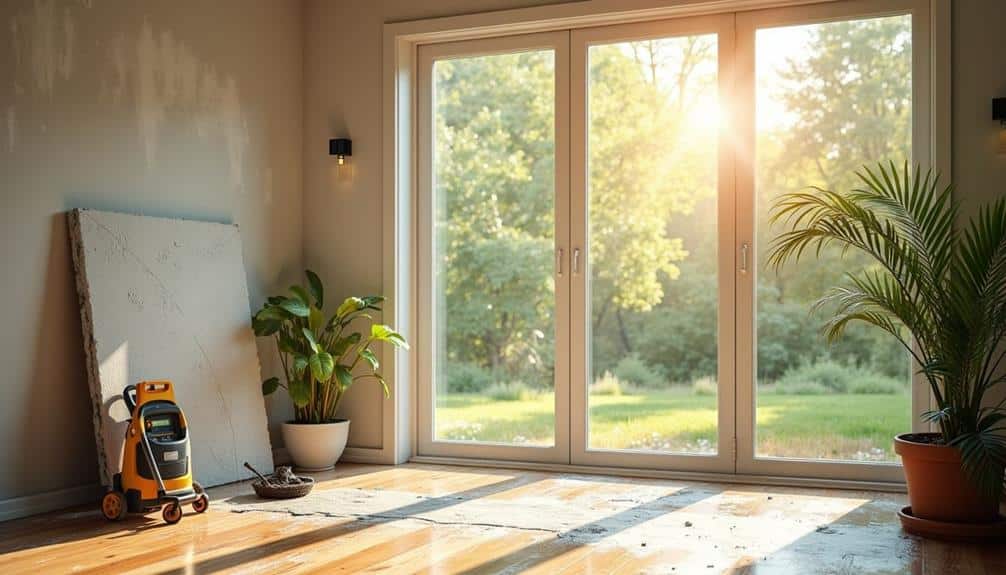
Preventing mold growth in the long run requires a proactive approach to moisture management. You can’t afford to overlook the importance of preventive maintenance and regular inspections. By adopting these strategies, you can greatly reduce the risk of water damage and mold proliferation in your space. Here’s how to stay ahead:
- Conduct regular inspections: Check for leaks, dampness, and signs of mold growth at least quarterly.
- Maintain humidity levels: Keep indoor humidity below 60% using dehumidifiers and proper ventilation.
- Seal leaks promptly: Address any plumbing or roofing issues as soon as they arise to prevent water accumulation.
- Insulate pipes: Insulating pipes can reduce condensation, preventing moisture from accumulating in vulnerable areas.
- Create drainage solutions: Confirm water drains away from your foundation by using gutters and downspouts effectively.
Implementing these practices will help you maintain a dry environment and protect your property from mold. Remember, consistency in preventive maintenance and regular inspections is key to long-term success in moisture management. Stay vigilant, and you can enjoy a mold-free space for years to come.
Conclusion
In the aftermath of water damage, don’t let despair wash over you like a rising tide. Urgent Restoration’s all-encompassing services in Stonecrest are your lifeline, ensuring your home is restored to its former glory. With swift assessments and expert techniques, we tackle every aspect of water damage, from extraction to long-term prevention. Just as the phoenix rises from the ashes, you can reclaim your space and peace of mind. Trust us to guide you through this storm.
0 Comments