

To keep storm damage repair budget-friendly, start by evaluating the damage immediately and documenting everything with photos. Focus on urgent repairs first to prevent further issues. Research local assistance programs for potential grants or aid. Don't forget to compare multiple contractor quotes to find the best deal, ensuring you understand what each includes. If you're handy, consider DIY solutions for minor repairs; just prioritize safety. Finally, make effective use of your insurance by reporting claims quickly and keeping clear communication with your adjuster. There's plenty more you can do to navigate repairs wisely and efficiently.
Key Takeaways
- Assess damage thoroughly and document findings to prioritize repairs and avoid unnecessary costs.
- Utilize DIY solutions for manageable repairs to save on labor costs while enhancing your skills.
- Research and compare multiple contractor quotes to find the best value without compromising quality.
- Investigate local assistance programs, grants, or volunteers to support financial needs during recovery.
- Implement temporary fixes to prevent further damage while planning for cost-effective permanent solutions.
Assess the Damage Promptly
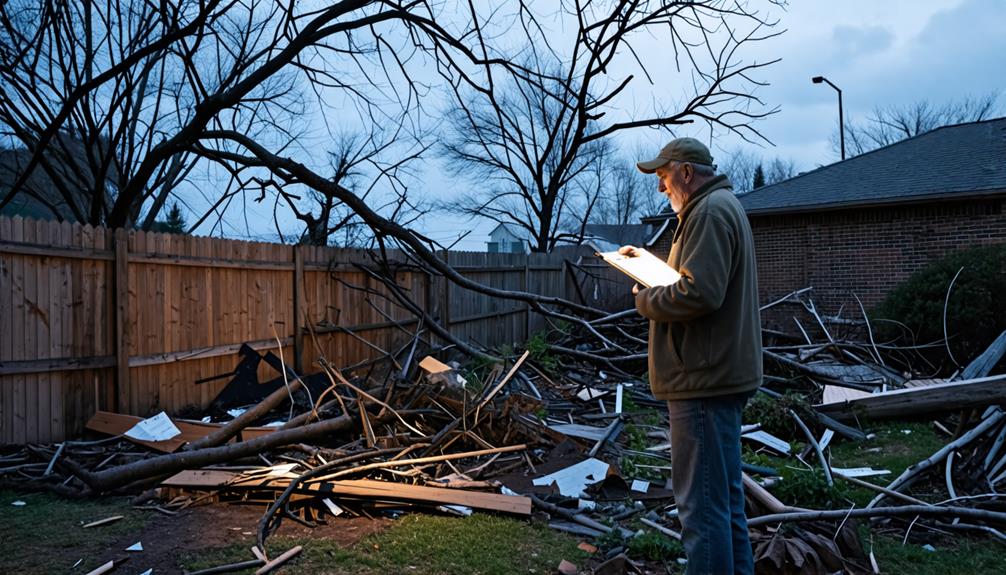
How do you know what needs fixing after a storm? Start with a thorough damage assessment. Walk around your property, looking for visible signs of damage like broken windows, missing shingles, or leaning trees. Pay attention to both the exterior and interior of your home. Check for leaks, water stains, and any structural issues that could pose safety risks.
Document everything you find—take photos, make notes, and measure the extent of the damage. This information will be essential when you discuss repair strategies with contractors or insurance agents. Don't rush this process; being thorough now can save you time and money later.
Once you've assessed the damage, it's time to prioritize your findings. Focus on areas that could lead to further complications, like leaks or compromised structural integrity. Create a list of needed repairs, categorizing them by urgency and cost. This organized approach will help you tackle repairs efficiently and effectively, ensuring you serve not just your home but likewise your community by creating a safer environment for everyone. Remember, addressing these issues promptly can prevent more extensive damage down the road.
Prioritize Immediate Repairs
After evaluating the damage, it's vital to prioritize repairs based on severity. Focus on safety first; any hazards need immediate attention to protect yourself and your property. Consider temporary fixes to prevent further damage while you plan for more permanent solutions.
Assess Damage Severity
When storms strike, evaluating the severity of the damage is vital for determining what repairs need immediate attention. Start with a thorough damage assessment of your property. Look for visible signs like broken windows, roof leaks, or structural cracks. These issues can lead to further problems if not addressed quickly.
Next, consider the storm impact on your surroundings. Check for fallen trees, debris, or flooding that may affect access to your home or pose safety hazards. Prioritize repairs that can prevent additional damage or protect your home from future storms.
Document everything you find with photos and notes. This information can be significant for insurance claims and helps you keep track of what needs to be done. Don't hesitate to enlist the help of friends or community members who may have experience in storm recovery.
Focus on Safety
Once you've assessed the damage, it's time to prioritize safety. Your personal safety and that of others in your home should come first. Start by ensuring the area is clear of hazards like downed power lines, broken glass, or unstable structures. If you spot any immediate dangers, don't hesitate to call local authorities for help.
Next, check on your emergency preparedness supplies. Make sure you have a first-aid kit, flashlights, batteries, and a charged phone handy. If the damage is extensive, consider relocating to a safer area until repairs can be made.
When you begin making repairs, wear protective gear, such as gloves and sturdy boots, to prevent injuries. Be cautious about using ladders or tools, especially if you're working in adverse conditions. If you feel overwhelmed or unsure, it's always wise to consult professionals who can help you navigate repairs safely.
Temporary Fix Solutions
To tackle storm damage effectively, start with temporary fixes that prioritize immediate repairs. These solutions can prevent further damage and give you time to plan for more permanent fixes. Here are some practical steps you can take:
- Use tarps for temporary patching: If your roof has leaks, cover the affected area with a tarp. Secure it tightly to prevent water from entering your home.
- Seal broken windows: For shattered or cracked windows, apply plastic sheeting or cardboard as a temporary barrier. This shields your home from wind and rain while you arrange for replacements.
- Clear debris: Remove fallen branches or other debris from your property. This not only prevents further damage but equally makes it safer for you and your neighbors.
- Gather emergency supplies: Stock up on crucial items like duct tape, plywood, and nails. These emergency supplies will help you act quickly when damage occurs.
Document Everything Thoroughly

When dealing with storm damage, it's essential to document everything thoroughly. Take clear photos of the affected areas and keep detailed records of the repairs needed. Make sure to note the extent of the damage to support any insurance claims or future repairs.
Take Clear Photos
Taking clear photos of storm damage is essential for documenting your situation accurately. When you capture vivid images, you help yourself and others understand the extent of the damage. These photos can be important for insurance claims and repairs, so keep your photo organization in mind. Here are some tips to guarantee you get the best shots:
- Use Good Lighting: Natural light works wonders. Take photos during the day to reduce shadows and improve details.
- Capture Wide Shots First: Start with overall views of the damaged area to provide context, then zoom in on specific issues.
- Document Everything: Don't just focus on the obvious damage. Capture all angles, including less noticeable areas, like your roof or basement.
- Store Images Wisely: Utilize reliable image storage solutions to keep your photos organized. Create folders by date or location for easy access later.
Keep Detailed Records
Keeping detailed records of all storm damage is crucial for a smooth repair process and successful insurance claims. Start by documenting everything thoroughly. Make a list of all damaged items, including the extent of the damage and any necessary repairs. This record will serve as critical insurance documentation when you file your claim.
Take note of repair costs as you gather estimates from contractors. Save all invoices, receipts, and correspondence related to the repairs. These documents not only help you track expenses but are also proof of the work completed. If your insurance company requires further information, having organized records will streamline the process and reduce potential delays.
Don't forget to document any temporary repairs you make to prevent further damage. This can include tarp installations or boarding up broken windows. Each action you take shows your commitment to addressing the storm damage responsibly.
Note Damage Extent
After documenting your storm damage thoroughly, it's time to note the extent of the damage in detail. A precise damage assessment is essential for effective repair techniques and can save you time and money. Here are four steps to help you evaluate the damage:
- Inspect All Areas: Check your roof, walls, windows, and foundation. Don't overlook your yard and surrounding structures.
- Take Photographic Evidence: Capture clear images of all damaged areas. This documentation will be invaluable for insurance claims and contractor consultations.
- List Specific Issues: Write down what needs repair, like broken shingles, leaks, or structural cracks. Be as detailed as possible to avoid missing anything important.
- Estimate Repair Costs: Research potential costs for each repair. You can often find budget-friendly options if you compare prices and services from multiple contractors.
Research Local Assistance Programs
When facing the aftermath of a storm, it's crucial to investigate local assistance programs that can help ease the financial burden of repairs. Many communities offer resources designed to support residents in crisis. Start by reaching out to your local government office or community center. They often have information about grants, low-interest loans, or even direct financial assistance for storm-related repairs.
Don't overlook nonprofit organizations in your area. Groups such as the Red Cross or local faith-based organizations frequently provide community assistance for those affected by disasters. These organizations may offer financial aid or connect you with volunteers who can help with cleanup and repairs.
Additionally, check with your insurance provider to see if they have partnerships with local resources that provide assistance during emergencies. Knowing what's available can help you make well-informed choices about your repairs.
Lastly, keep an eye on social media and local news for announcements about fundraisers or volunteer opportunities aimed at supporting storm recovery in your community. By leveraging these local assistance programs, you can notably reduce your out-of-pocket expenses and find support during this challenging time.
Compare Multiple Quotes
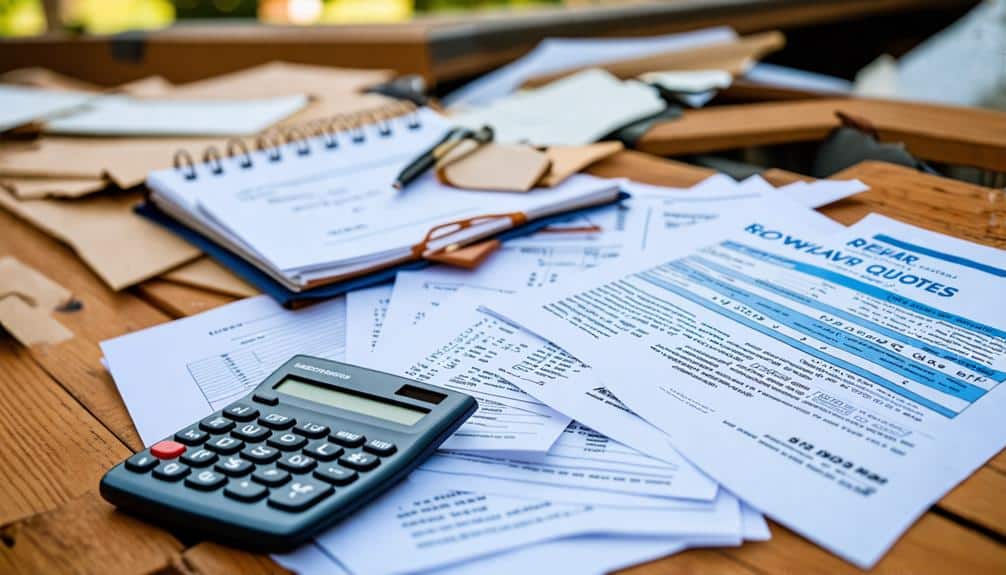
Getting multiple quotes for storm damage repairs can greatly impact your overall costs. It allows you to find the best value while guaranteeing quality work. Here are some practical tips to guide you through the process:
- Research Contractors: Look for local contractors with solid reputations. Check online reviews and ask for referrals to guarantee you're considering reliable professionals.
- Request Detailed Quotes: When asking for quotes, request itemized estimates. This transparency helps you understand what you're paying for and makes quote negotiation easier.
- Compare Services: Don't just focus on price; compare the services included in each quote. A lower price might come with lesser quality materials or inadequate warranties.
- Ask Questions: Don't hesitate to reach out to contractors with questions about their quotes. Clarifying any uncertainties can build trust and help you assess their professionalism.
Consider DIY Solutions
Consider tackling some storm damage repairs yourself to save money and gain a sense of accomplishment. DIY solutions can be an excellent way to address minor issues while enhancing your home improvement skills. Start by evaluating the damage carefully. Identify what you can safely repair without professional help, such as patching small holes in the roof, replacing damaged siding, or clearing debris from gutters.
Gather the necessary tools and materials before you begin. You can often find cost-saving techniques by purchasing supplies at local hardware stores or borrowing tools from friends and neighbors. Online tutorials and videos can guide you through specific DIY projects, making it easier to learn as you go.
Remember to prioritize safety. Always wear protective gear and take precautions when working at heights or with hazardous materials. By choosing to handle repairs yourself, you not only save on labor costs but likewise contribute to your community by sharing your newfound knowledge with others facing similar challenges. Accept the satisfaction of restoring your home while keeping your budget intact. With a little effort and resourcefulness, you can make a big impact without overspending.
Use Insurance Wisely
Often, homeowners underestimate the importance of using their insurance effectively after a storm. To navigate the claim process smoothly and maximize your insurance coverage, follow these key tips:
- Understand Your Policy: Familiarize yourself with your policy limits, deductible options, and any exclusion clauses. Knowing what's covered helps you avoid surprises.
- Report Claims Promptly: Timely reporting of your claim is vital. Most policies require you to notify your insurer soon after damage occurs. Delaying could jeopardize your coverage.
- Communicate With Your Adjuster: Keep lines of communication open with your adjuster. Provide them with clear documentation of damage and expenses, and ask questions about replacement costs and liability coverage.
- Explore Additional Living Expenses: If your home's uninhabitable, check if your policy covers additional living expenses. This can help you manage costs while repairs are underway.
Prevent Future Damage
Taking proactive steps can considerably reduce the risk of future storm damage to your home. Start with storm preparedness by evaluating your property's vulnerabilities. Check for gaps in windows and doors, and verify your roof is in good shape. Regularly inspect your gutters and downspouts; clogged systems can lead to serious water damage.
Incorporate preventative maintenance into your routine. Trim back trees and shrubs that could fall on your home during a storm. Reinforce fences and outdoor structures to withstand high winds. If you live in a flood-prone area, consider installing flood barriers or sump pumps.
Create an emergency plan that includes a supply kit and communication strategy. This way, you and your family can act quickly during a storm, minimizing chaos and confusion.
Don't forget to document your home's condition with photos. This can help you identify areas needing attention and serve as a valuable reference for any future repairs. By taking these steps, you not only protect your home but additionally guarantee your loved ones' safety. Investing time in storm preparedness and preventative maintenance now can save you from costly repairs down the line.
0 Comments