

When managing storm damage repair insurance, it's crucial to understand your policy's details. Start by familiarizing yourself with the coverage limits, as these dictate the maximum the insurer will pay. Document damages meticulously; photos and receipts strengthen your claim. Be aware of common exclusions like flood damage and verify you know what's covered. Work closely with adjusters, providing them with detailed records and estimates from contractors to maximize your claim. Finally, access local resources and support to aid recovery efforts. If you're interested in enhancing your approach, there's more to investigate on this topic.
Key Takeaways
- Understand your insurance policy types and coverage limits to ensure they align with your property value and potential repair costs.
- Document storm damage thoroughly with high-quality photos, timestamps, and detailed records to support your insurance claim.
- Familiarize yourself with the claims process, including timelines, and maintain communication with the adjuster for timely processing.
- Be aware of common exclusions like flood and earth movement damages, which may not be covered under standard policies.
- Prepare for adjuster visits by gathering all relevant documentation and repair estimates to maximize your claim amount.
Understanding Your Policy
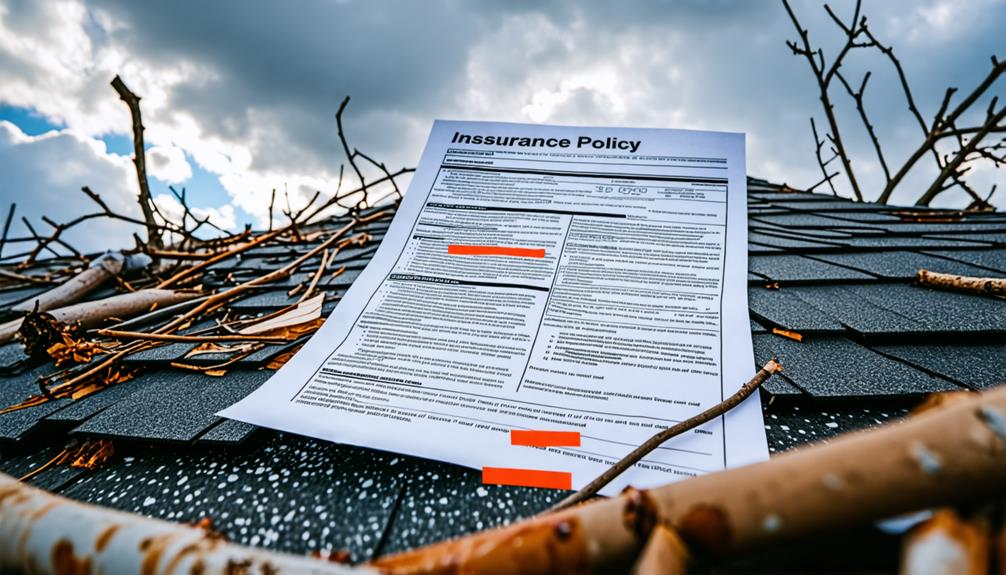
Understanding your insurance policy is vital when managing storm damage repairs. You need to familiarize yourself with the different policy types available, such as homeowners, renters, and commercial insurance. Each type has unique features that can greatly impact your coverage options. Homeowners insurance often includes provisions for storm damage, but the specifics can vary widely.
Next, pay close attention to your coverage limits. These limits determine the maximum amount your insurer will pay for repairs after a storm. If your coverage limit falls short of the actual repair costs, you could be left with a considerable financial burden. It's important to assess whether your current limits adequately reflect your property's value and the potential repair expenses associated with storm damage.
Additionally, consider endorsements or riders that may extend your coverage. These can provide extra protection against specific storm-related damages, such as flooding or windstorm damage, which standard policies might not fully cover. By understanding your policy types and coverage limits, you position yourself to make well-informed choices and better serve those relying on you for assistance during the recovery process.
Documenting Damage Effectively
To effectively document storm damage, it's essential you take clear photos that showcase the extent of the destruction. Furthermore, keeping detailed records of all repairs and communications will strengthen your insurance claim. This thorough approach not only aids in the claims process but likewise guarantees you have extensive evidence for future reference.
Take Clear Photos
After a storm, taking clear photos of the damage is fundamental for effective documentation. High photo quality is vital, as blurry or poorly lit images can lead to misunderstandings during the claims process. Use a good camera or smartphone, making certain the lens is clean and settings are optimized for the lighting conditions.
Capture multiple angles of each damaged area to provide a thorough view. Close-up shots can demonstrate specific damage, while wider shots give context to the entire scene. Don't forget to include any relevant surroundings or landmarks for better orientation.
It's additionally important to utilize photo timestamps. Most smartphones automatically embed this information, which proves invaluable for establishing when the damage occurred. This can help clarify any disputes regarding the timing of the storm's impact.
Before you start snapping away, consider creating a checklist of items to photograph, such as roof damage, fallen trees, or water intrusion. This organized approach guarantees you don't overlook significant damage that could affect your insurance claim. By focusing on these details, you improve your documentation process, making it easier for insurance adjusters to assess your situation accurately.
Keep Detailed Records
Keeping detailed records of the damage is essential for a smooth insurance claim process. Effective insurance documentation starts immediately after the storm. Begin by listing all damaged items, including their estimated values, and note any necessary repairs. This organized approach not only helps you remember everything but serves as effective evidence for your claim.
Take clear photographs of each damaged area from multiple angles, ensuring that any identifying features are visible. These images will bolster your written records and provide a visual context for the insurance adjuster. In addition, keep receipts for any temporary repairs or mitigation measures; these can strengthen your claim and demonstrate your efforts to prevent further damage.
It's wise to maintain a timeline of events, including when you first noticed the damage and any communications with your insurance provider. This level of claim organization will streamline your interactions with the insurer and help avoid potential delays in processing your claim. By prioritizing detailed records, you not only support your case but promote a more efficient resolution process.
Navigating the Claims Process

The claims process can often feel like maneuvering through a maze, filled with twists and turns that can be overwhelming. To navigate this complex journey effectively, start by understanding your policy limits. Knowing the extent of your coverage will help you set realistic expectations.
Once you report your claim, familiarize yourself with the claim timelines your insurer outlines. Each step in the process—from initial assessment to final payment—may vary, so it's essential to keep track of these timelines. Regular follow-ups with your claims adjuster can guarantee that your case stays on track.
Document every interaction, and maintain a record of all correspondence with your insurance company. This attention to detail can prove invaluable if disputes arise.
It's additionally beneficial to compile a thorough inventory of your damaged property, including photos and receipts. This documentation reinforces your claim and helps expedite the process.
Common Exclusions to Watch For
Understanding the nuances of your insurance policy is crucial, especially when it comes to common exclusions that could impact your storm damage claim. Many policyholders overlook specific exclusions that can leave them unprotected. Here are some common exclusions you should be aware of:
| Exclusion Type | Description | Impact on Claim |
|---|---|---|
| Flood Damage | Damage caused by rising water levels. | Typically not covered in standard policies. |
| Wind Damage | Certain wind-related damages may be limited. | Check if a deductible applies. |
| Negligence | Damage arising from lack of maintenance. | Claims may be denied if neglect is evident. |
| Earth Movement | Damage from earthquakes or landslides. | Often excluded unless specifically included. |
| Wear and Tear | General deterioration over time. | Not covered, as it's seen as maintenance. |
Being aware of these exclusions can help you better prepare for potential claims. Always read your policy carefully and consider discussing it with your agent to guarantee you have the coverage you need. By doing so, you can safeguard yourself against unexpected financial burdens following a storm.
Working With Adjusters

When dealing with storm damage claims, understanding the role of adjusters is essential for a successful outcome. You need to prepare thoroughly for their visits, as this can greatly impact the assessment of your claim. By being informed and organized, you can promote a smoother process and guarantee that all necessary details are accounted for.
Understanding Adjuster Roles
Steering through the complexities of storm damage insurance often involves working closely with an adjuster, who plays a crucial role in evaluating your claim. Understanding their responsibilities can greatly impact your claims negotiation process.
Adjusters are professionals tasked with determining the extent of damage and the associated costs. Here are some key adjuster responsibilities:
- Assessment of Damage: They inspect your property to document damage and assess necessary repairs.
- Coverage Evaluation: Adjusters review your policy to determine what damages are covered.
- Cost Estimation: They provide detailed estimates for repair costs, helping you understand the financial implications.
- Claims Negotiation: Adjusters aid discussions between you and the insurance company to reach a settlement.
Preparing for Adjuster Visits
After getting familiar with the role of an adjuster, it's important to prepare effectively for their visit to your property. Start by gathering all relevant documentation, including your insurance policy, photographs of the damage, and any repair estimates you've received. This information will aid the adjuster in conducting a thorough property assessment.
Make certain your property is accessible, clearing paths to damaged areas and removing any debris. This not just demonstrates good adjuster etiquette but likewise allows the adjuster to inspect the damage without obstacles. Being organized and systematic in your approach can greatly impact the evaluation process.
When the adjuster arrives, be polite and professional. Clearly communicate the details of the damage and any repairs you've initiated. Answer their questions honestly and thoroughly without volunteering excessive information that may complicate your claim.
Lastly, take notes during the visit, documenting what the adjuster observes and any comments they make. This record can be invaluable if you need to reference their findings later. By preparing in this manner, you'll not only promote a smoother assessment but also help guarantee a fair outcome for your insurance claim.
Maximizing Your Claim Amount
To maximize your claim amount effectively, you need to gather thorough documentation and present it clearly to your insurance provider. This structured approach not only helps you utilize your policy benefits but additionally improves your claim strategies. Here are key elements to focus on:
- Detailed Inventory: Create an extensive list of damaged items, including descriptions and estimated values.
- Photographic Evidence: Take clear photos of the damage from multiple angles to visually support your claim.
- Repair Estimates: Obtain written estimates from licensed contractors to demonstrate the cost of repairs.
- Communication Records: Keep detailed notes of all conversations with your insurance adjuster, including dates and summaries.
Resources for Assistance

Maneuvering the complexities of storm damage repairs can be overwhelming, but several resources can provide vital assistance. First, it's important to compile a list of emergency contacts, including local authorities, utility companies, and restoration services. Having these numbers readily available can expedite response efforts and reduce potential damage.
Next, seek out local resources tailored to storm recovery. Many communities offer assistance programs, such as government grants or low-interest loans, specifically designed for disaster relief. Organizations like the Red Cross likewise provide information on local shelters and recovery services, which can help you navigate the initial aftermath.
You should likewise consider connecting with local contractors who specialize in storm damage repairs. They often understand the nuances of your area's building codes and can guide you through the repair process efficiently.
0 Comments