

Water damage restoration can salvage your belongings by swiftly halting the spread of water and evaluating the impact. It helps limit structural damage and detects hidden areas for repair. By acting promptly, you preserve valuable items, including documents, furniture, and electronics before degradation sets in. Restoration professionals offer expertise and special equipment to maximize the number of items saved. Choosing the right restoration technique based on damage type is important. Engaging a reputable restoration company will guarantee the best outcome. There’s much more to learn about this important process, so why not explore further into the topic?
Understanding Water Damage
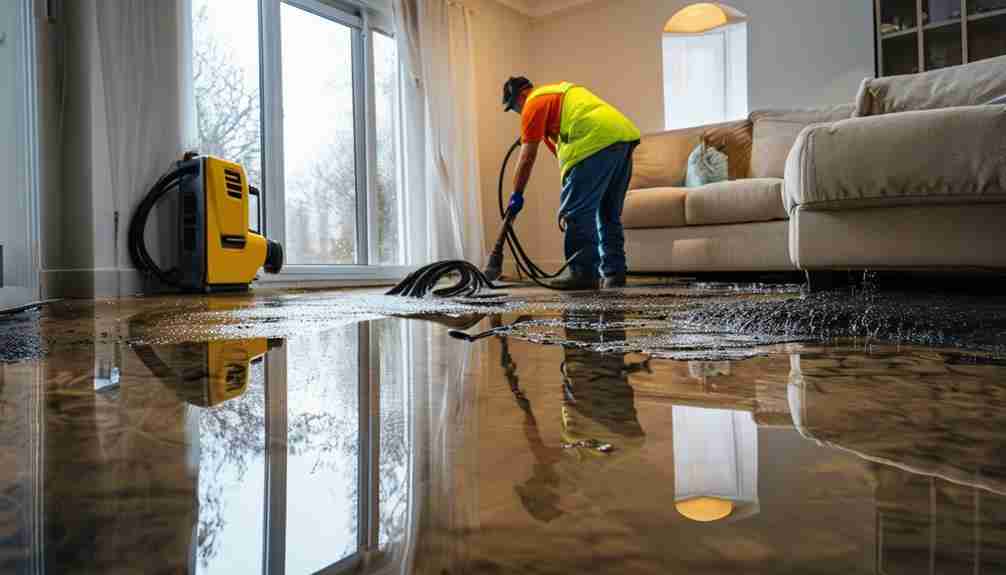
In grappling with the repercussions of water damage, it’s vital first to comprehend its nature and how it can silently wreak havoc on your property. This understanding starts with water source identification. You’re not merely dealing with a leak or a flood, but rather, an insidious issue that can erode your property’s value and integrity over time if left unchecked.
Water source identification is a critical step in addressing the problem. Be it a leaking pipe, a faulty faucet, or rain seeping through cracks, it’s important to locate and fix the source to prevent further damage. Ignorance isn’t bliss here – it’s a fast track to more costly repairs down the line.
But understanding is just the first step. You also need to know about prevention methods. Regularly inspect your property for signs of water damage – discoloration, warping, or a musty smell. Invest in quality waterproofing measures for your basement and roof. Regular maintenance and timely repairs of your plumbing system can also go a long way in preventing water damage.
In the end, it’s about creating a safe, secure space where you belong. Knowledge truly is power when it comes to protecting your property from water damage.
Different Types of Water Damage
To effectively safeguard your property, it’s important that you’re familiar with the different types of water damage that can occur. Broadly, water damage is categorized based on the nature of water involved: clean water, grey water, and black water.
Clean water damage originates from water sources that are safe to drink, like a broken water line or a leaking faucet. This type of damage, while less critical, can still cause significant harm to your belongings and property structure if not addressed promptly.
Grey water damage involves water that’s slightly contaminated, often from appliances like dishwashers or washing machines. It requires more intensive cleanup due to potential contaminants.
Black water damage is the most severe and harmful. It involves highly contaminated water, typically from sewage backups or flooding from natural disasters. This water can contain harmful bacteria and pathogens, posing serious health risks.
Understanding the type of water damage is important for the restoration process and insurance coverage. It’s best to consult a professional to determine the severity of the damage. Remember, quick action is crucial to mitigating further damage, so don’t delay in seeking help. Being aware of the different types of water damage can help you react appropriately when disaster strikes.
The Importance of Quick Restoration
When it comes to water damage, your immediate response is vital. Acting swiftly not only minimizes the adverse effects of water damage but also saves time and resources in the long run. Engaging professional restoration services, you’ll benefit from their expertise and specialized equipment, making the restoration process more efficient and effective.
Minimizing Damage Effects
Acting promptly after water damage can greatly reduce the adverse effects and lower the costs associated with repairs and replacements. An early impact assessment is essential to gauge the extent of the damage and establish a recovery timeline. You’re not just protecting your belongings but ensuring the health and safety of your family.
| Step | Action | Result |
|---|---|---|
| 1 | Immediate Action | Curtails further water spread |
| 2 | Impact Assessment | Determines damage extent |
| 3 | Recovery Timeline | Streamlines restoration process |
| 4 | Ongoing Monitoring | Prevents future damage |
Time Is Key
In managing water damage, every second counts, as swift restoration can greatly reduce the structural damage to your property and prevent potential health hazards. The damage timeline is essential to understanding the importance of prompt action. Within minutes, water can begin to soak into walls, floors, and your belongings, causing immediate damage. Over hours, this saturation can lead to more serious issues like swelling and warping of furniture, or the growth of bacteria and mold.
Immediate solutions are crucial in controlling the extent of the damage. It’s not just about preserving the structure of your property, but also about protecting the belongings that make your house a home. Swift action can save sentimental items from being lost forever, like family photo albums, heirlooms, and other irreplaceable treasures.
Professional Restoration Benefits
Even though the immediate instinct is to handle water damage on your own, enlisting the help of professional restoration services can offer numerous benefits, especially when it comes to swift and efficient damage control. These experts have the skillset and advanced tools to get your home back to its original state in no time. They’re trained to detect hidden water damage you might overlook, which can save you from dealing with more extensive repairs down the road.
One big concern you might have is restoration costs. Nonetheless, hiring professionals can actually be more cost-efficient in the long run. They’re quick, thorough, and can prevent further damage, which saves you money. Plus, they can accurately evaluate the extent of the damage, helping you avoid unexpected costs later.
Moreover, these specialists can provide essential insurance assistance. They understand the claims process and can help document your losses to make sure you get a fair settlement. This kind of support can be invaluable in a stressful time, helping you feel a sense of belonging and care.
Steps in the Restoration Process
Understanding the restoration process is essential when dealing with water damage. First, you’ll need to identify the severity of the damage, then choose the appropriate restoration techniques. Lastly, consider preservation through professional help to guarantee the job is done right.
Identifying Water Damage Severity
Evaluating the seriousness of water damage is a crucial first step in the restoration process, as it empowers you to plan and execute the most effective clean-up strategy. This damage assessment involves a severity scale that categorizes the extent of the water damage.
First, you need to identify the source of the water damage. It could be from a leaking pipe, a flood, or even high humidity. Then, you’ll inspect the affected areas, noting the type of water involved, which could range from clean water to black water, the latter being the most severe as it contains harmful pathogens.
You’ll also evaluate the extent of the water damage. This could range from a small, localized area to an entire property. This is where the severity scale comes in handy. It gauges the extent of the water damage, from class 1 (least damage) to class 4 (extensive damage), allowing you to determine the amount of work that needs to be done.
Choosing Restoration Techniques
Once you’ve assessed the severity of the water damage, you’ll need to choose the right restoration techniques, which can vary widely depending on the type and extent of the damage. There are various methods available, each with its unique benefits and restoration costs. Hence, it’s important you select the most suitable one that can effectively restore your belongings.
When deciding on the restoration technique, consider:
- The type of water damage: Different types of water damage, such as flooding or leaks, require different restoration techniques.
- Restoration costs: Some techniques are more cost-effective than others. DIY techniques can help save on costs, but remember, a professional touch might be necessary for severe cases.
- The extent of damage: More extensive damages may require more specific techniques. It’s vital to make sure that the chosen method can fully restore the affected area.
Preservation Through Professional Help
When it comes to preserving your property after water damage, seeking professional help can often prove invaluable in the restoration process. Expert teams are equipped with the tools, knowledge, and experience required to implement emergency strategies effectively. They’ll act promptly, minimizing further damage and initiating the restoration process swiftly.
Professional restorers will start with a vital assessment. This essential step involves identifying the extent and type of water damage, which allows them to tailor the most effective restoration strategy for your property. They’ll determine whether the damage is cosmetic or structural, which materials are affected, and estimate the cost of repairs.
Experts prioritize safety as well. Electrical hazards, contaminations, or structural instability are serious risks following water damage. Professionals are trained to detect and handle these issues, ensuring your well-being.
Moreover, they can salvage more belongings than you’d expect. Through specialized techniques, they can restore items you might have deemed lost, preserving not just your property, but also your valued possessions.
Ultimately, professionals can provide peace of mind during a stressful time. They’ll handle the hard work, letting you focus on recovery. So, consider professional help for preservation and restoration—it’s a smart choice for your property and peace of mind.
Restoration of Different Belongings

In tackling water damage, it’s important to know how to restore different belongings to their pre-damage state. This process not only involves the physical restoration but also requires a solid understanding of belongings valuation to guarantee successful insurance claims.
The first step in restoration is to assess the value of your damaged items. It’s not just about the monetary worth but also the sentimental value that they hold. This step helps you decide what to restore and what to replace.
Here are some key strategies in restoring various types of belongings:
- Documents and photos: These can be dried out, flattened, and restored professionally. There are services that specialize in restoring water-damaged heirlooms or valuable documents.
- Electronics: These require careful handling. Unplug them immediately and let them dry naturally. Don’t use them until a professional checks them.
- Furniture and Carpets: These can often be cleaned, dried, and restored, but severe damage might require replacement.
It’s vital to handle damaged items carefully to prevent further deterioration. Remember, restoration is a time-sensitive process. So, act promptly but wisely to save your belongings from water damage.
Choosing a Reliable Restoration Company
After identifying and evaluating your damaged belongings, your next step should be to select a trustworthy restoration company. This critical decision isn’t one to take lightly. Your belongings, after all, hold sentimental and monetary value. So how do you make the right choice?
Firstly, consider the company’s credentials. You’ll want a company with proven expertise and experience in water damage restoration. They should have valid licenses, certifications, and a good standing with industry bodies. Don’t be shy about asking for these credentials. A reputable company will gladly provide them.
Secondly, be mindful of the service costs. Make sure you’re getting value for your money. Ask for a detailed quotation that breaks down the costs. This transparency helps you avoid hidden fees and gives you a fair comparison when shopping around.
Also, consider the company’s availability. Water damage doesn’t keep office hours, and neither should your restoration company. Look for a company that offers 24/7 services.
Conclusion
So, don’t let water damage make you wave goodbye to your precious belongings. Swift action, a thorough understanding of the damage types, and a reliable restoration company can turn the tide in your favor. The restoration process can breathe new life into your water-logged items. Remember, time is of the essence, and the faster you act, the better your chances to salvage your treasures. So, ride the wave of restoration, and reclaim your possessions from the clutches of water damage.
0 Comments