

When storm water floods your property, acting quickly is crucial to minimize damage. Start by evaluating the affected areas for signs like discoloration or mold. Be sure to prioritize safety: wear protective gear, check for electrical hazards, and move cautiously. Begin water extraction using pumps or wet/dry vacuums, and secure any leaks to prevent further intrusion. Set up fans and dehumidifiers to help dry the space. For extensive repairs, consider enlisting professional restoration services, as they can streamline the process and assist with insurance claims. Keep these strategies in mind, and you'll find additional helpful tips right ahead.
Key Takeaways
- Assess the damage by evaluating affected areas, looking for discoloration, swelling, or mold growth, and document findings with photos and notes.
- Prioritize safety by wearing appropriate PPE, checking for electrical hazards, and carefully navigating wet surfaces to avoid slips and falls.
- Remove standing water promptly using pumps or wet/dry vacuums, and implement temporary solutions to seal leaks and catch dripping water.
- Consider enlisting professional restoration services for expertise, assistance with insurance claims, and a clear restoration timeline.
- Take preventative measures by maintaining drainage systems, installing flood barriers, and creating landscaping slopes to channel water away from the property.
Assessing the Damage
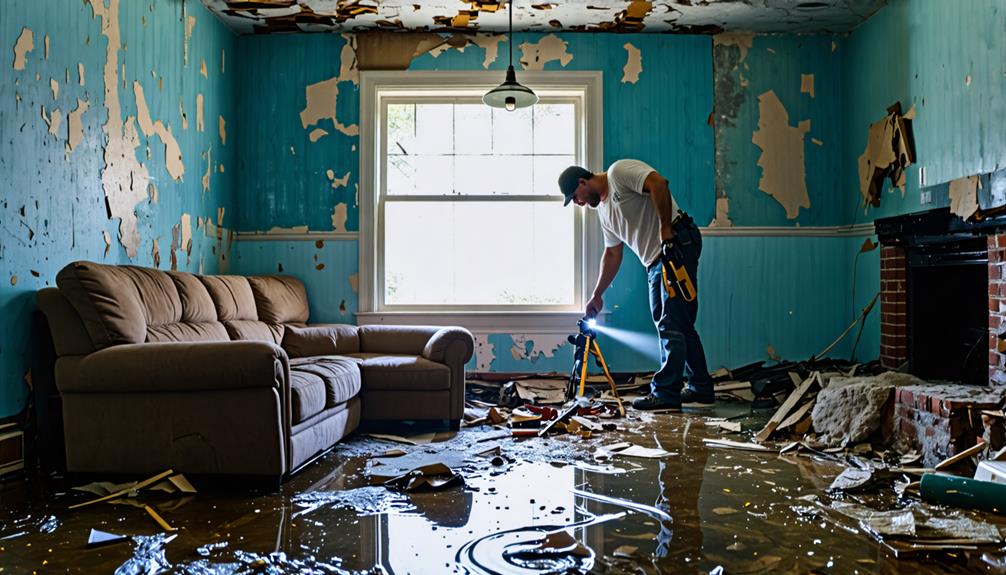
After experiencing storm water damage, the first step is to evaluate the extent of the impact. Begin your damage evaluation by checking all affected areas, including walls, floors, and personal belongings. Look for visible signs of damage, such as discoloration, swelling, or mold growth. Document everything with photos and notes, as this information will be significant later.
Next, prioritize your tasks. If you notice standing water, it's critical to start water extraction immediately. Use a wet/dry vacuum or enlist the help of professionals to guarantee you remove as much water as possible. The longer the water sits, the more damage it can cause, not just to your property but likewise to your health.
While evaluating the damage, keep in mind that emotional support is important for you and anyone else affected. Share your experiences and feelings with loved ones or neighbors; it can help ease the stress of the situation. Remember, taking these steps not only protects your property but additionally provides a sense of control during a challenging time. Your prompt action can make a significant difference in the recovery process.
Safety Precautions
While you're evaluating storm water damage, it's important to prioritize safety for yourself and anyone else on the property. First, make sure you're wearing appropriate personal protective equipment (PPE). This includes gloves, boots, and masks to protect against contaminants and potential hazards in the water.
Next, assess the area for any electrical hazards. Water and electricity don't mix, so check for downed power lines or flooded electrical outlets. If you spot any electrical issues, don't attempt to fix them yourself; instead, contact a professional electrician to handle the situation safely.
Keep in mind that slippery surfaces can pose a risk of falls. Move carefully and avoid rushing, as this can lead to accidents. If you're working with others, communicate clearly to make certain everyone is aware of potential dangers.
Lastly, remember to stay aware of your surroundings. Storm conditions can change rapidly, and it's essential to be prepared for further weather events that could complicate your assessment. By taking these safety precautions, you can protect yourself and others while effectively managing the storm water damage.
Immediate Response Steps

Immediately following a storm, it's crucial to respond quickly to mitigate damage from water intrusion. Start by evaluating the situation—check for standing water and identify areas where water may have entered your home. Your first priority should be safety, so verify your environment is free from hazards like downed power lines or slippery surfaces.
Once it's safe, begin water extraction. Use pumps or wet/dry vacuums to remove standing water, aiming to do this as soon as possible. The longer water sits, the more damage it can cause, so act swiftly.
Next, implement temporary solutions to prevent further damage. Consider sealing leaks with tarps or plastic sheeting, and use buckets or bins to catch dripping water. If you have access to fans or dehumidifiers, set them up to aid in drying out the affected areas.
Professional Restoration Services
When dealing with storm water damage, enlisting professional restoration services can make a significant difference in your recovery process. These experts understand the complexities of water damage and can guide you through the entire process, from assessment to restoration. They'll quickly evaluate the situation, helping you mitigate further damage and giving you peace of mind.
One of the key benefits of hiring professionals is their experience with insurance claims. They can assist you in documenting the damage, guaranteeing you have the necessary paperwork to support your claim. This support can reduce your stress and improve the chances of a smoother claims process.
Moreover, professional restoration services can provide a clear restoration timeline. They'll outline the steps needed to get your home back to its original state, helping you understand what to expect along the way. Their expertise guarantees that the job is done right, often in less time than if you attempted it alone.
Preventative Measures for Future Storms
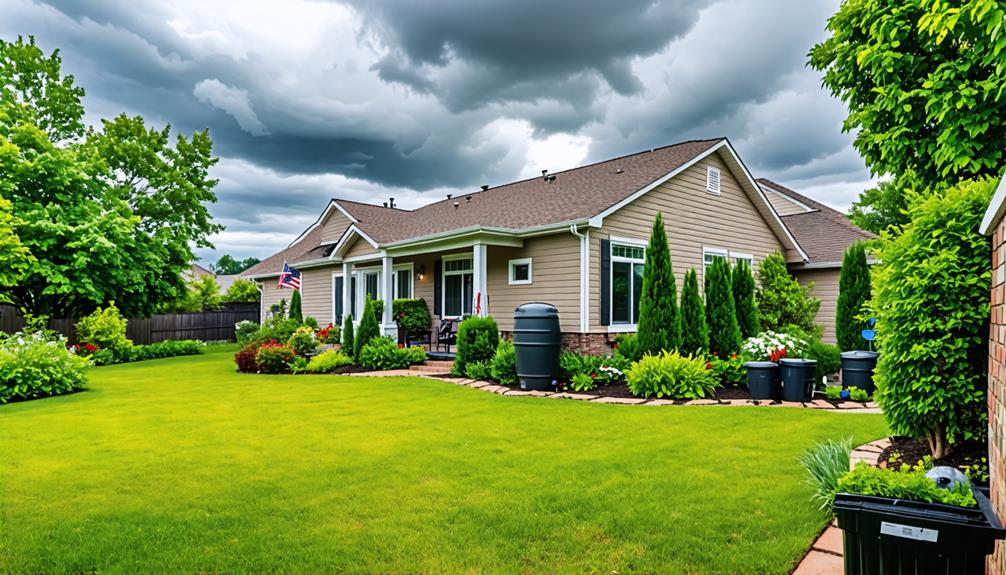
Preparation is key to minimizing storm water damage in the future. Start by evaluating your property's drainage systems. Verify they're clear of debris and functioning properly. Regular maintenance can prevent blockages that lead to flooding. Consider upgrading your drainage systems if they're outdated; modern solutions can greatly improve water flow and reduce risk.
Installing flood barriers around your home is another effective measure. These barriers can redirect stormwater away from your property, providing an extra layer of protection during heavy rains. Make certain you know how to deploy them quickly when storms are forecasted.
Furthermore, examine your landscaping. Creating slopes away from your foundation can help channel water away from your home. Native plants can likewise absorb excess water, reducing runoff.
Lastly, stay informed about weather conditions and community resources. Local authorities often provide alerts and advice on storm preparedness. By taking these proactive steps, you're not just protecting your home; you're further serving your community by reducing the overall impact of stormwater damage. Remember, it's always better to be prepared than to react after the damage has occurred.
0 Comments