

To get accurate storm damage repair estimates, start by thoroughly evaluating visible damage, documenting it with clear photos and detailed notes. Understand your insurance coverage, noting any limitations or exclusions that could affect costs. Research local contractors' credentials and gather multiple quotes to compare. Request detailed breakdowns of labor and materials in each estimate. Consider repair costs while contemplating the quality of materials, as this can impact long-term savings. Finally, act quickly to guarantee timely repairs, keeping in mind potential contractor availability. These steps will help you navigate the process effectively, leading to better decision-making as you move forward.
Key Takeaways
- Thoroughly assess and document all visible damage with clear photographs to support repair estimates and insurance claims.
- Review your insurance policy to understand coverage limits and exclusions related to storm damage repairs.
- Research multiple local contractors, checking credentials and online reviews for reliability before requesting estimates.
- Ask for detailed estimates that break down labor, materials, and costs, ensuring transparency in pricing.
- Evaluate the estimated repair timelines to align with your needs and monitor contractor availability after the storm.
Assessing Visible Damage
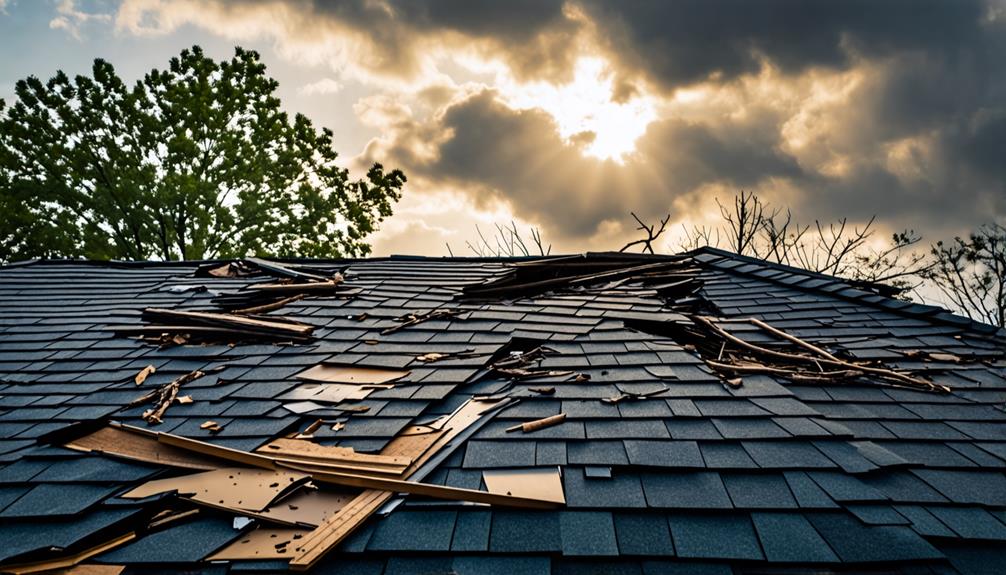
When evaluating visible damage after a storm, it's crucial to methodically analyze both the exterior and interior of your property. Start outside by inspecting the roof for missing shingles or leaks, as these often indicate severe storm impact. Check the gutters for blockages or detachment, and look for cracks or holes in the siding, which can reflect damage severity. Pay attention to windows and doors; shattered glass or warped frames can lead to further issues if not addressed promptly.
Next, move inside. Examine the ceilings and walls for water stains or bulging, which signal possible leaks from above. Check your flooring for warping or discoloration that might suggest moisture intrusion. Don't forget to assess the basement or crawl space for standing water or mold, both of which can pose health risks and indicate prolonged exposure to moisture.
Documenting all these observations will help you understand the overall damage severity and prioritize repairs. By being thorough in your assessment, you guarantee that you address each issue effectively, minimizing potential long-term problems and helping others in your community navigate similar challenges.
Documenting Evidence Thoroughly
To effectively document storm damage, you need to take clear photographs from multiple angles, capturing all affected areas. Furthermore, keeping detailed records of the damage, including dates and descriptions, will support your repair estimates. This thorough documentation not only aids in the claims process but likewise guarantees accurate assessments by contractors.
Take Clear Photographs
Capturing clear photographs of storm damage is crucial for documenting evidence thoroughly and guaranteeing accurate repair estimates. When you approach storm photography, utilize effective techniques to highlight the extent and specifics of the damage. Begin by using damage assessment tools to identify critical areas needing attention, confirming you capture every angle and detail.
Start with wide shots to provide context, then move in for close-ups that showcase individual damages, such as roof leaks or structural cracks. Ascertain good lighting; natural light works best, but if conditions are poor, use a flashlight to illuminate dark areas. Avoid blurry images by keeping your camera steady or using a tripod.
Document timestamps on your photographs whenever possible, as this adds credibility to your evidence. It's helpful to include a scale reference, like a ruler, in some shots to convey the size of the damage accurately. By mastering storm photography techniques, you'll create a thorough visual record that supports your repair estimates, facilitating effective communication with contractors and insurance agents. These clear visuals not only clarify the extent of the damage but serve as invaluable documentation for your claims process.
Keep Detailed Records
While clear photographs are essential, keeping detailed records of all storm damage is just as significant for thoroughly documenting evidence. Start by creating a thorough inventory of affected areas and items. List each damaged item, noting the extent of the damage, its age, and original value. This will help you establish a clear narrative of the situation, which is important for insurance claims.
In addition to inventory, maintain a written record of all communications related to the storm damage. Document conversations with emergency services, contractors, and insurance agents, including dates and summaries of what was discussed. This helps guarantee transparency and accountability throughout the repair process.
Don't forget to include copies of any relevant emergency plans you had in place before the storm hit. Showcasing your storm preparedness can bolster your case when discussing claims with your insurance company.
Researching Local Contractors

When researching local contractors, it's essential to verify their credentials and licenses to guarantee they meet industry standards. Gathering multiple quotes allows you to compare prices and services, helping you make a well-informed choice. By taking these steps, you'll increase your chances of hiring a reliable contractor for your storm damage repair.
Verify Credentials and Licenses
Before hiring a local contractor for storm damage repairs, it's vital to check their credentials and licenses to confirm you're working with a qualified professional. Start by verifying their contractor qualifications. This includes looking for relevant certifications, insurance coverage, and experience specific to storm damage repairs. A qualified contractor should have a solid track record of handling similar projects in your area.
Next, conduct license verification. Each state or locality may have different licensing requirements, so it's important to confirm that the contractor holds the necessary licenses to operate legally in your region. You can often find this information through your state's licensing board or local government website.
Don't hesitate to ask contractors for proof of their licenses and qualifications. A reputable professional will gladly provide this information. Moreover, consider checking online reviews or asking for references to gauge their reliability and quality of work. Taking these steps not only protects your investment but also guarantees that your home receives the best care possible. By verifying credentials and licenses, you can feel confident in your choice of contractor, thereby contributing to a successful storm damage repair process.
Compare Multiple Quotes
Once you've verified the credentials and licenses of potential contractors, the next step is to compare multiple quotes to guarantee you're making a knowledgeable choice. Gathering estimates from various local contractors provides insight into the cost factors involved in storm damage repair. This process not only helps you understand the typical pricing in your area but likewise allows you to identify any outliers that may warrant further investigation.
When comparing quotes, keep these points in mind:
- Scope of Work: Confirm each quote outlines the same repair tasks to make comparisons fair.
- Materials Quality: Check if contractors use similar materials, as this can greatly impact cost and durability.
- Timeline: Understand the projected timeline for each contractor. A quicker job might come at a premium.
- Payment Terms: Review the payment schedule and terms to verify they align with your financial plans.
Once you have a clear picture, apply negotiation strategies to discuss disparities or seek clarification. This not only helps you secure a fair price but also cultivates a collaborative relationship with your chosen contractor, ultimately supporting your goal of serving others through effective storm damage repair.
Understanding Insurance Coverage
Understanding your insurance coverage is essential after experiencing storm damage, as it directly impacts the financial recovery process. Start by reviewing your policy to identify any policy limitations and coverage exclusions that may apply. These details can greatly affect what costs your insurer will cover.
Policy limitations often specify the maximum amount your insurer will pay for certain types of damage. For example, you might find that your coverage has a cap on roof repairs or only covers specific storm-related events, such as wind or hail damage. Familiarizing yourself with these limits can help you set realistic expectations for repairs.
Coverage exclusions are another critical aspect to evaluate. These exclusions outline what your policy won't cover, which can leave you responsible for considerable repair costs. Common exclusions might include flooding or mold damage, which are often not covered under standard homeowners' policies.
Ultimately, understanding these elements of your insurance will empower you to make educated choices during the repair process. If you're uncertain about any terms, think about reaching out to your insurance agent for clarification. This knowledge will help you navigate the path to recovery more effectively.
Requesting Multiple Estimates
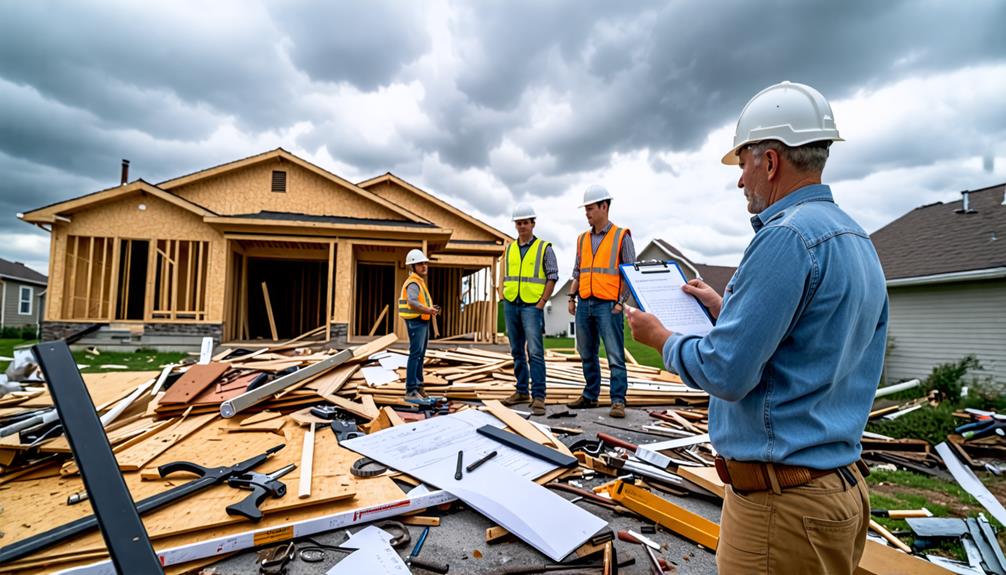
Requesting multiple estimates is a crucial step in managing storm damage repairs effectively and guaranteeing you receive fair pricing. By gathering several estimates, you can compare services and understand the market rate, helping you make knowledgeable choices. Furthermore, employing effective communication strategies with contractors can greatly improve estimate accuracy.
When requesting estimates, consider these points:
- Ask for detailed breakdowns: Confirm each contractor provides a clear outline of labor, materials, and any extra costs.
- Inquire about warranties: Understand what guarantees are offered for both workmanship and materials.
- Discuss timelines: Clarifying expected completion dates will help you assess contractor reliability.
- Evaluate contractor credentials: Verify licenses, insurance, and past work to assure you're hiring qualified professionals.
Evaluating Repair Costs
After collecting multiple estimates, the next step involves evaluating the repair costs to verify you're making a well-informed choice. Start by examining the cost breakdown of each estimate. This should include labor, materials, and any additional fees. Pay close attention to how each contractor approaches material selection. Higher-quality materials may have a higher upfront cost but could save you money in the long run by reducing the need for future repairs.
Next, compare the estimated time frames for completion. A lower cost might sound appealing, but if it means cutting corners or using inferior materials, it may not serve your best interests. Assess whether the estimates align with your budget and the extent of the damage.
It's prudent to ask contractors about their warranties or guarantees on both labor and materials. This can provide you with an added layer of security in your investment. Ultimately, the goal is to find a balance between cost, quality, and reliability. By carefully evaluating these factors, you'll guarantee that you choose a contractor who not only meets your budget but likewise delivers lasting results.
Timing for Repairs

Timing is essential when it comes to storm damage repairs, as delays can aggravate existing issues and lead to more extensive damage. After a storm, it's important to initiate your emergency response quickly. Not only does this help mitigate damage, but it likewise allows you to secure a more accurate repair estimate.
Consider the following seasonal considerations when planning your repairs:
- Immediate assessment: Inspect your property as soon as it's safe, documenting any damage.
- Weather forecasts: Monitor upcoming weather conditions that may impact repairs or worsen damage.
- Contractor availability: Understand that skilled contractors may be in high demand post-storm; act quickly to secure their services.
- Insurance deadlines: Be aware of any time-sensitive insurance requirements for your claims.
0 Comments