

After a storm, take immediate action for emergency structural repair. Start by evaluating the damage; look for cracks, sagging ceilings, and misaligned doors. Prioritize safety—wear protective gear and establish a safe zone away from hazards. Document everything meticulously, including photographs and inventory of damaged items, to aid your insurance claims. Secure temporary fixes using weatherproof materials like tarps or plywood while reinforcing unstable areas. Finally, contact qualified professionals for thorough evaluations and permanent repairs. These steps are essential for restoring stability and safety. Uncover additional strategies to improve your recovery process.
Key Takeaways
- Assess and document all visible damage, including cracks and misalignments, using proper tools and non-destructive testing methods.
- Prioritize safety by wearing protective gear and establishing a safe zone away from hazardous areas.
- Secure temporary fixes with weatherproof materials like tarps and plywood to prevent further damage until permanent repairs can be made.
- Contact licensed professionals for thorough damage assessment and ensure they use appropriate materials for long-term repairs.
- Keep detailed records of damage, repairs, and communications with contractors to facilitate insurance claims and streamline recovery.
Assess the Damage
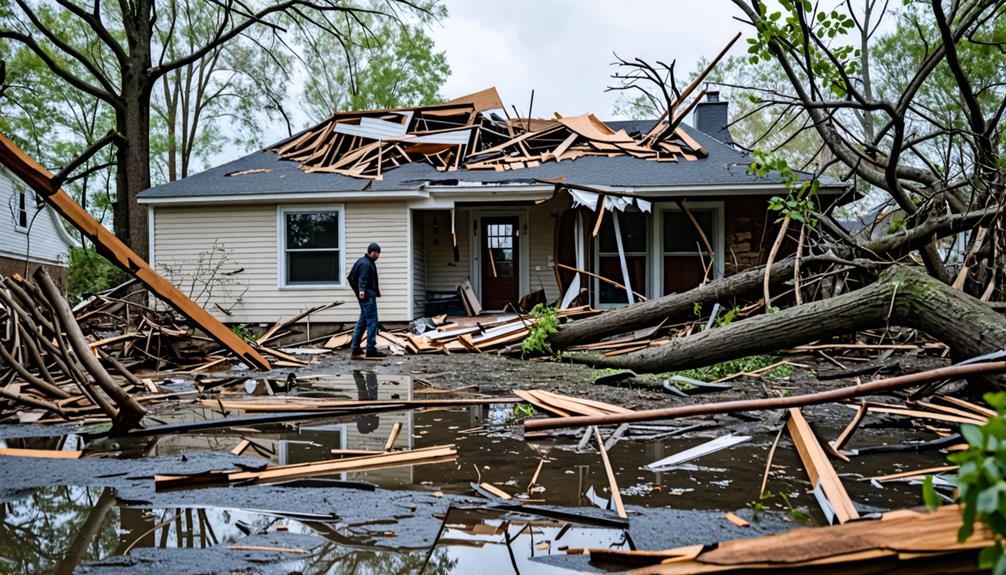
When you encounter structural damage, the first step in your emergency response is to assess the damage thoroughly. Begin by identifying key damage indicators, such as cracks in walls, sagging ceilings, or misaligned doors and windows. These signs can reveal underlying issues that require immediate attention.
Utilize effective evaluation techniques to document the extent of the damage. Start with a visual inspection, noting any visible fractures or deformities. Use tools like a level or measuring tape to gauge structural alignment. If possible, take photographs to provide a visual record for future reference or for insurance purposes.
Next, consider employing non-destructive testing methods, such as ultrasonic testing or infrared thermography, to detect hidden damage within the structure. These techniques can uncover issues that aren't immediately visible, ensuring a thorough evaluation.
Prioritize Safety First
Guaranteeing safety is paramount during any emergency structural repair. Before you start evaluating or repairing damage, take the necessary precautions to protect yourself and others. You should have a well-stocked emergency kit and appropriate safety gear. Here's what you need to prioritize:
- Wear Safety Gear: Always put on hard hats, gloves, and eye protection. This gear shields you from potential hazards like falling debris or sharp objects.
- Assemble an Emergency Kit: Include first-aid supplies, flashlights, batteries, and non-perishable food. An emergency kit guarantees you're prepared for unexpected situations that may arise during repairs.
- Establish a Safe Zone: Identify a secure area away from the damaged structure where you and your team can regroup. This zone should be free from risks, such as falling materials or unstable surfaces.
Document Everything

Documenting every detail of the damage is crucial for effective emergency structural repairs. Accurate repair documentation not only aids in evaluating the extent of the damage but likewise serves as critical evidence for insurance claims. Start by taking clear photographs from multiple angles, capturing structural elements, damaged areas, and any debris. Confirm that you include timestamps and location details to provide context for your documentation.
Next, create a detailed inventory of damaged items, including descriptions, estimated values, and replacement costs. This information will be invaluable when you file insurance claims. Keep records of all communications with contractors, insurance agents, and any other relevant parties. These notes will help track progress and guarantee that nothing is overlooked.
Moreover, maintain a timeline of events from the initial damage evaluation to the repair process. This chronological record can clarify the sequence of actions taken and support your claims. By thoroughly documenting everything, you not only protect your interests but also streamline a smoother recovery process. Ultimately, this diligence in repair documentation guarantees that you serve your community effectively, helping others navigate similar challenges with greater ease.
Secure Temporary Fixes
Securing temporary fixes is essential to prevent further damage and guarantee safety until permanent repairs can be made. You need to act quickly, using effective methods to make certain your structure remains intact. Here are three important steps to take into account:
- Quick Patching: Identify areas that require immediate attention. Use plywood or tarps to cover holes or damaged sections temporarily. These materials can provide a barrier against water intrusion.
- Weatherproof Materials: Choose materials that are resistant to the elements. For instance, use waterproof tape or sealants to secure any leaks. This will help minimize water damage and protect the interior of the structure.
- Stabilization: If your structure shows signs of instability, reinforce it with bracing or shoring. This can help prevent further collapse or damage while you await permanent repairs.
Each of these steps is a significant part of your emergency response. By implementing these temporary fixes, you not only safeguard your property but also make certain the safety of those who may be inside or nearby. Quick action can make all the difference in mitigating storm damage.
Contact Professionals
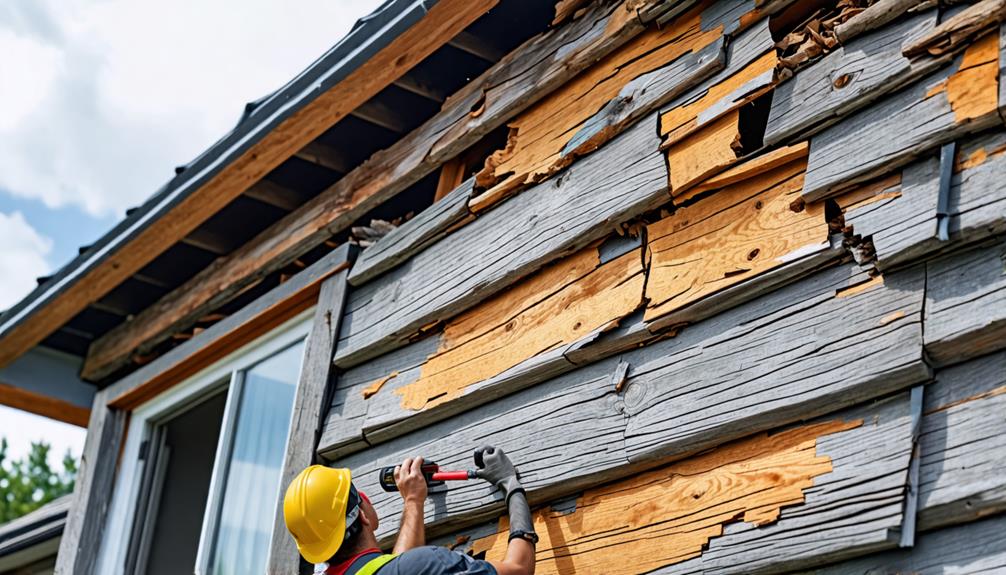
When facing emergency structural issues, it's crucial to reach out to professionals for assistance. Emergency services are pivotal in these situations, as they possess the expertise and resources necessary to assess the damage accurately and implement effective repairs. Repair specialists bring specialized knowledge that is fundamental for addressing complex structural problems.
You should prioritize contacting licensed and insured professionals. Verify their credentials and experience, particularly in post-storm scenarios. This guarantees they understand the nuances of storm damage and can provide tailored solutions.
Additionally, document the damage thoroughly before professionals arrive. Take clear photographs and make notes of any visible issues. This information will help repair specialists develop a detailed repair plan and expedite the process.
It's important to remember that while temporary fixes can provide immediate relief, only qualified professionals should conduct permanent repairs. They'll utilize appropriate materials and techniques to secure long-term safety and stability.
0 Comments